Headaches & Migraines
Chiropractic treatment targeting the cervical spine causes of tension headaches, cervicogenic headaches, and migraines - reducing frequency and intensity naturally.
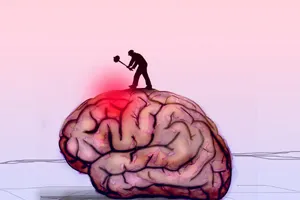
Headaches are so common that most people consider them a normal part of life - something to endure with an over-the-counter painkiller and a cup of coffee. But chronic or recurring headaches are never normal. They are signals from your body that something is structurally or functionally wrong, and simply silencing the signal with medication does nothing to address the underlying cause. At Georgia Injury Network, Dr. Daniel Dierdorff treats the cervical spine dysfunction that drives the majority of chronic headaches, offering College Park patients lasting relief rather than temporary chemical suppression.
Types of Headaches We Treat
Not all headaches originate from the same source, and effective treatment requires distinguishing between types. The headaches most responsive to chiropractic care include:
Tension Headaches
The most prevalent headache type, tension headaches produce a dull, pressing pain that wraps around the head like a tight band. They are driven by sustained contraction of the muscles in the neck, scalp, and upper back - muscles that tighten in response to stress, poor posture, and cervical spine misalignment. While pain medication can temporarily relieve the headache, the muscular tension and the spinal dysfunction driving it remain, guaranteeing that the headache will return.
Cervicogenic Headaches
These headaches originate in the cervical spine but are felt in the head - a phenomenon called referred pain. Misalignment or dysfunction in the upper cervical vertebrae (C1-C3) irritates the nerves that share pathways with the trigeminal nerve, which innervates the face and head. The result is pain that typically starts at the base of the skull and radiates to the forehead, temples, or behind the eyes. Cervicogenic headaches are often one-sided, worsen with specific neck movements, and are accompanied by reduced cervical range of motion.
Migraines
Migraines are a neurological condition characterized by intense, throbbing pain - usually on one side of the head - accompanied by nausea, sensitivity to light and sound, and sometimes visual disturbances called auras. While migraines involve complex neurochemical processes, research has consistently demonstrated that cervical spine dysfunction is a significant contributing factor. Upper cervical misalignment can alter blood flow to the brain and irritate the trigeminal nerve nucleus, lowering the threshold at which a migraine is triggered.
Post-Traumatic Headaches
Car accidents, falls, and sports impacts frequently produce headaches that persist for weeks or months after the initial injury. These post-traumatic headaches result from cervical whiplash, concussion, or both, and they often coexist with neck pain, dizziness, and difficulty concentrating. Chiropractic treatment addresses the cervical component, which is frequently the primary driver of ongoing post-traumatic headache symptoms.
The Cervical Spine Connection
The link between neck dysfunction and headaches is well-established in the medical literature. The upper cervical spine is uniquely positioned to influence head pain because of the convergence of nerve pathways that occurs at the trigeminocervical nucleus - a structure in the upper spinal cord where sensory information from the cervical nerves merges with signals from the trigeminal nerve. When cervical vertebrae are misaligned, the resulting nerve irritation is interpreted by the brain as pain in the head, face, or behind the eyes.
For College Park residents who spend hours commuting in stop-and-go traffic on I-85 and I-285 or hunched over laptops in airport-area offices, the cumulative effect of forward head posture on the cervical spine is a major driver of chronic headaches. Every inch that the head projects forward of the shoulders adds approximately 10 pounds of effective weight to the cervical spine, dramatically increasing the load on cervical muscles, joints, and discs.
How Dr. Dierdorff Treats Headaches
Cervical Assessment
Treatment begins with a thorough examination of the cervical spine, including assessment of vertebral alignment, joint mobility, muscle tension patterns, and neurological function. Dr. Dierdorff identifies the specific cervical segments contributing to headache symptoms and determines whether the headaches are primarily musculoskeletal, neurological, or a combination.
Upper Cervical Adjustments
Precise adjustments to the upper cervical spine - particularly the atlas (C1) and axis (C2) vertebrae - restore normal alignment and relieve the nerve irritation that triggers headache pathways. These adjustments require specificity and skill, as the upper cervical region is the most neurologically dense area of the spine. Many headache patients report noticeable improvement after their first adjustment, with headache frequency and intensity decreasing progressively over the course of treatment.
Postural Correction
Because poor posture is a primary driver of cervicogenic headaches and tension headaches, sustainable results require addressing posture as well as alignment. Dr. Dierdorff provides specific ergonomic recommendations for workstation setup, driving position, and sleeping posture, along with exercises that strengthen the deep cervical flexors responsible for maintaining proper head position throughout the day.
Trigger Identification
Certain foods, environmental factors, hormonal fluctuations, and stress patterns can lower the threshold at which headaches are triggered. While these triggers do not cause the underlying cervical dysfunction, they can make headaches more frequent and severe in the presence of spinal misalignment. Dr. Dierdorff works with patients to identify their personal triggers and develop strategies to minimize exposure.
Break the Headache Cycle
If you are reaching for painkillers multiple times per week, your body is telling you that something needs to be fixed - not suppressed. Contact Georgia Injury Network at (470) 397-1527 or schedule online to find out whether cervical spine dysfunction is driving your headaches. Dr. Dierdorff serves patients throughout College Park, East Point, Hapeville, and the south Atlanta corridor.
Ready to Get Started?
Contact us today and take the first step. Free consultations available.